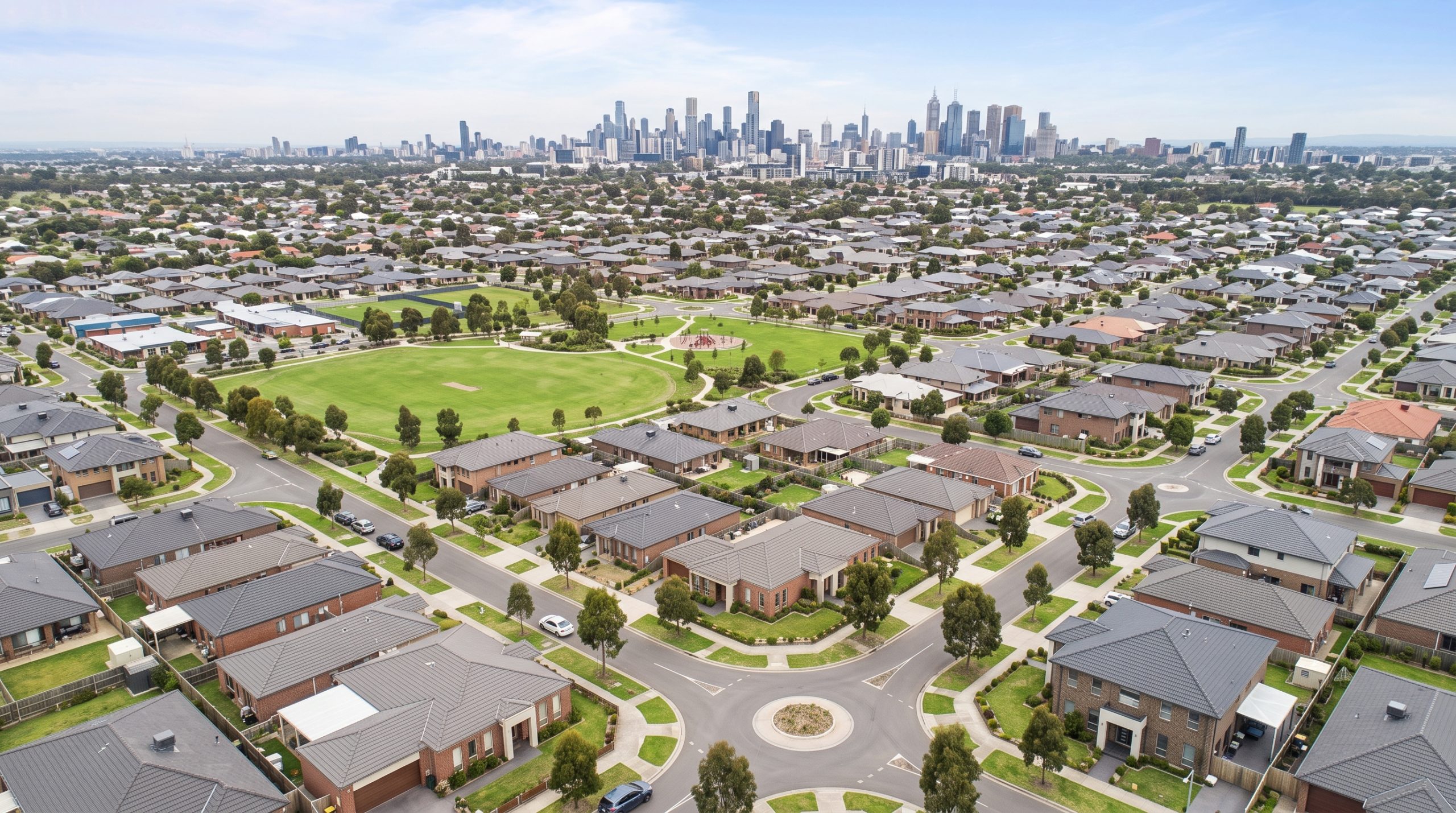
After two years of rapid rent rises across Victoria, the Melbourne rental market is now starting to cool down.
While demand remains strong and vacancy rates are still historically low, the pace of rental growth has eased in the first half of 2025. For property investors, this signals a new phase — one that requires more strategy and precision to maintain healthy returns.
Here’s an overview of what’s happening across Melbourne’s key rental markets right now.
1. The Market at a Glance
According to the Victorian Government’s March Quarter 2025 Rental Report, Melbourne’s metropolitan rents rose 2.4 % for the quarter and 3.7 % annually — much slower than the double-digit increases seen through 2023–24.
Regional Victoria saw a similar moderation, with annual growth now sitting around 6%.
Vacancy rates are still tight at roughly 2.5 %, but affordability pressures are starting to limit how much further rents can rise.
In short, rent growth has stabilised — but demand for well-presented, well-located properties remains strong.
2. Suburbs Still Performing Strongly
Even in a cooling market, some areas continue to show resilience and steady growth:
Inner-North Lifestyle Hubs: Preston, Thornbury, and Coburg
These suburbs remain popular with young professionals and families thanks to walkable cafés, trams, and vibrant communities.
Although growth has slowed to around 4–6 % annually, vacancy is low and rental competition remains solid.
South-East Family Corridors: Glen Waverley, Clayton, and Wheelers Hill
Strong school zones and proximity to employment hubs like Monash continue to support demand.
Four-bedroom homes are leasing within weeks, though prices are now levelling rather than rising sharply.
City Fringe Apartments: Southbank and Docklands
Inner-city rents have steadied after significant rebounds in 2023–24.
While premium apartments still perform well, increased stock and rising living costs have softened the pace of growth to about 2–3 % annually.
Emerging Western Suburbs: Sunshine and Footscray
Infrastructure investment and improved transport links continue to attract renters.
Rents are holding firm, offering solid yields for landlords who bought in earlier growth phases.
3. Cooling Signs to Watch
- Renter affordability is tightening, especially for one-bedroom units and small houses.
- Rental applications are more price-sensitive, meaning overpriced listings sit longer on the market.
- More investors are re-entering the market, slightly increasing supply.
- Government incentives and planning changes may begin easing pressure in some areas.
As a result, landlords can no longer rely on automatic year-on-year rent hikes — presentation, pricing, and management quality now play a far bigger role in achieving consistent returns.
4. Opportunities in a Calmer Market
A stabilising market isn’t necessarily bad news.
Lower volatility gives investors a chance to focus on long-term asset performance, renter retention, and strategic upgrades that can lift value.
Well-maintained homes, clean compliance records, and responsive property management are becoming key differentiators as renters become more selective.
The Bottom Line
Melbourne’s rental market in 2025 is more balanced.
Growth is still positive but moderate, and investors who adjust their expectations — and work proactively with experienced property managers — are likely to outperform those who stay passive.
At RENTED Property Management, we help property owners across more than 300 Melbourne suburbs stay ahead of changing market trends.
Our data-driven insights, tailored strategies, and hands-on management approach ensure your property remains competitive — even as the market cools.
Talk to RENTED today to see how your property is performing in the current rental climate and how we can help protect and grow your investment returns.