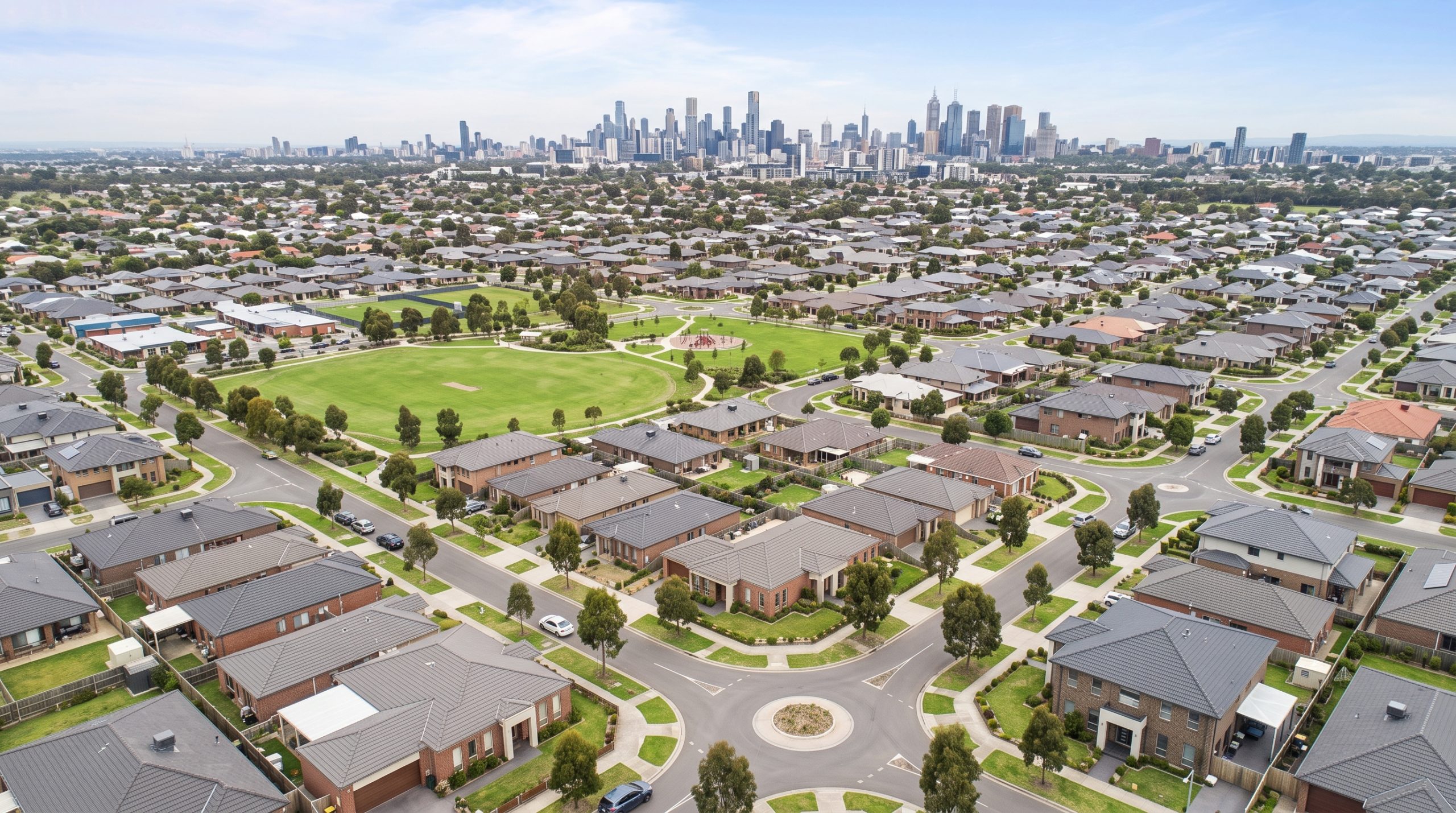
Welcome to the End of 2025 edition of The RENTED Report. Every month, we share about the market, our insights, and how your properties are performing.
We want to keep you informed with complete transparency — no filters, no sugar-coating, just the real picture.
1. Melbourne & Victoria Market Overview – 2025 in Review
This year, we’ve observed two key themes in Melbourne’s residential market:
A. Rental Market Softening Slightly
Even though rents remain higher year-on-year, we have seen a slight increase in vacancy rates compared to 2024.
This cooling is temporary, but noticeable. Based on REIV, SQM Research, and our own on-ground experience, more properties are staying available a little longer. Renters have a bit more choice, and we’re not seeing the 2024-level frenzy.
B. Housing Price Growth Remains Modest
Melbourne’s housing prices have grown around 3% this year, which is noticeably slower than markets like Adelaide, Brisbane, and Sydney.
But this slower growth has created an interesting side effect. A softer property price environment encourages first-home buyers to finally step in. These buyers were previously renters. That means more renters are leaving the rental pool. This temporarily increases vacancies and creates a short cooling effect in the rental market, so the sales market and rental market are intertwined.
Impact of Population Growth on Rental Demand
Despite this short-term easing, Victoria remains Australia’s No. 1 destination for overseas migrants, and the education state with the most universities and institutes in the country. Both are major long-term drivers of rental demand.
Victoria’s Population Growth Continues Strongly
For 2025, Victoria’s population reached ~7.01 million, grew by 1.8% over the year, and accounted for 30% of Australia’s total net population growth. This tells us one thing – rental demand in Victoria is structurally strong for the long term.
2. Approaching the 2026 Student Rental Season
We are heading into the classic January to March student season, especially for Melbourne CBD, Caulfield, Clayton, Hawthorn, Bundoora, etc.
Every year, students move, relocate, or return from overseas during this window, and demand surges.
Because we understand this cycle deeply, our team started preparing early. For example, last week we leased a 2-bed, 1-bath apartment in the CBD for $800/week, with a lease start date in late January, showing how proactive the team has been in securing strong rental returns ahead of the peak season.
We would also like to share the student accommodation building we have been managing in Burwood. This is a 31-unit student accommodation building in Burwood, and this time of year always brings high turnover.
Here’s the breakdown: 21 leases in the building end in January or February; 8 tenants broke their leases early. This is very common in student housing — not ideal, but typical at year-end. We started working on renewals and re-letting as early as September. By the time this video is released, all 8 break leases have already been filled. Around half of the expiring leases have been renewed. We intentionally leave some units open for January to March to capture premium peak-season rent. This is our strategy of balancing defence and offence for landlords.
3. Commercial Leasing Market Insights – 2025 Trends
Before we close, here’s a quick look at Melbourne’s commercial leasing landscape this year:
Office Sector
• CBD vacancy ticked down slightly — the first drop in five years
• A-Grade and Premium offices are performing better than B-Grade stock
• Tenants are upgrading (“flight to quality”) while rents for top-tier assets grew modestly
Industrial Sector
• Vacancy remains extremely low at ~1.4%
• Western suburbs (Truganina, Tarneit, Laverton North) remain the hotspots
• Construction costs keep new supply limited, supporting rents
Retail Sector
• Retail rents strengthened as population growth and spending rebounded
• Neighbourhood centres and convenience retail performed strongest
• Investor demand is returning for low-volatility retail assets
The commercial market isn’t booming — but it is recovering and stabilising, with very specific sub-sectors outperforming others.
That’s the wrap for this month and the whole of 2025. We’ll continue sharing monthly updates on the topics that matter most to you as a landlord. Stay tuned for more insights, or reach out if you’d like to join our community and receive these updates directly.