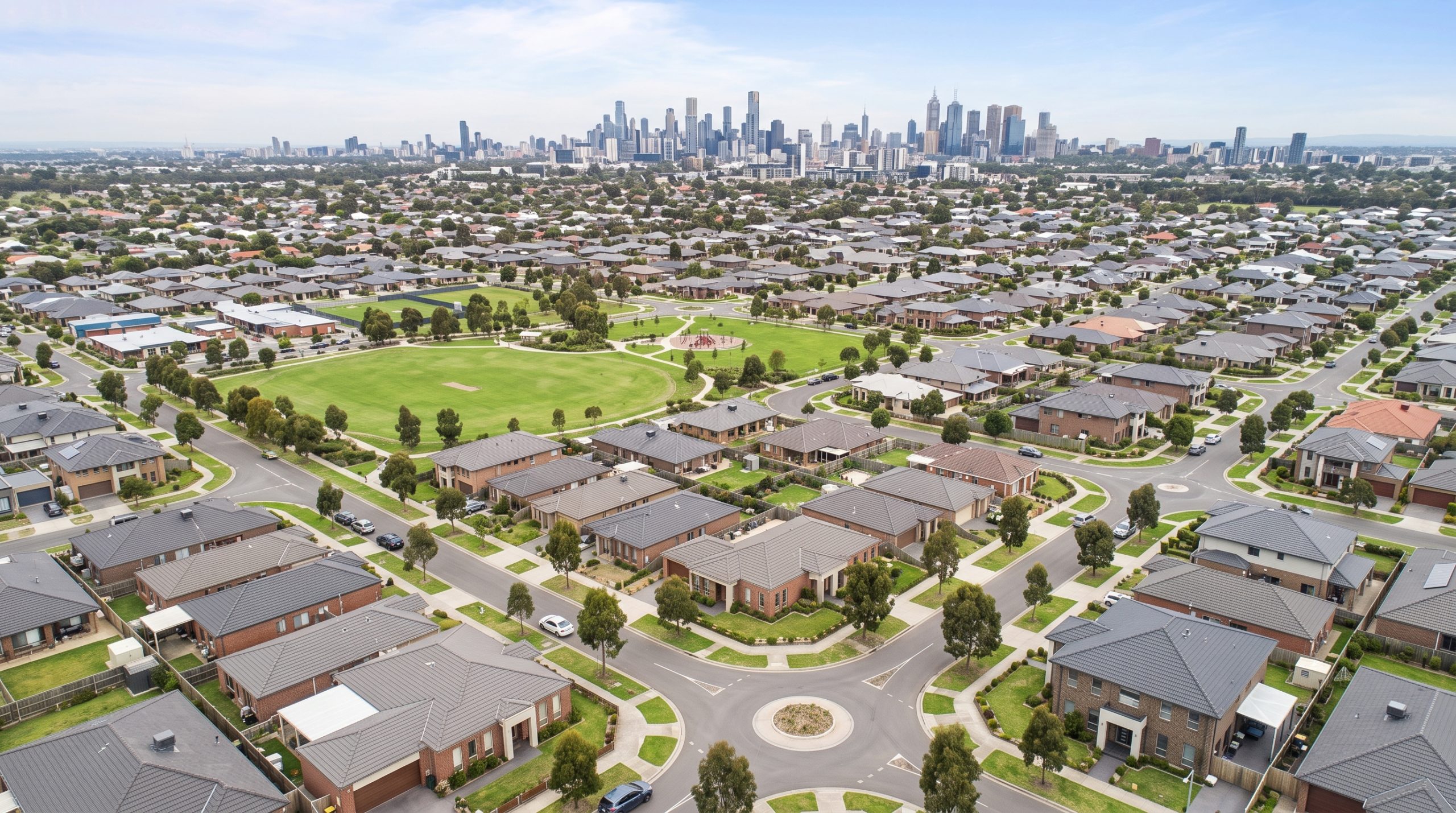
For many Melbourne landlords, the arrival of March 2026 has felt like a perfect storm. Between the latest land tax assessments hitting inboxes and the looming March 31 deadline for new rental application laws, the “cost of holding” is at an all-time high.
However, where there is pressure, there is also opportunity. While some investors are focused on the hurdles, savvy owners are noticing a unique “Autumn Sweet Spot” in the Melbourne market.
If you’ve been weighing up whether to hold your property for another year or capitalise on your gains, here is why the next few weeks are the most strategic window we’ve seen in years.
1. The Auction Momentum: 75% Clearance Rates
Despite talk of interest rate shifts, Melbourne’s auction market has shown incredible resilience this month. We’ve seen “Super Saturdays” with clearance rates hovering around 75%—a massive jump from the 61% we saw this time last year.
In suburbs like Balwyn, Doncaster, and Moonee Ponds, buyer demand is currently outstripping supply. Families who missed out in the spring rush are now determined to secure a home before the winter lull, creating a highly competitive environment for well-presented investment properties.
2. The “Land Tax Adjustment” Deadline
As of January 2026, Victorian law has changed regarding how Land Tax is handled during a sale. For any contract under $10.7 million, vendors can no longer pass on land tax adjustments to the buyer.
What this means for you: If you sell and settle later in the year, you are liable for the full 2026 land tax bill. By transacting in this autumn window, you can finalise your 2026 financial position earlier and avoid the carrying costs of an increasingly expensive tax regime.
3. Beating the “Winter Freeze”
Melbourne’s property market traditionally cools down as the temperature drops. Listing in late March or April allows you to capture the “Golden Hour” of Melbourne real estate—when gardens look their best, the light is still bright for photography, and buyer energy is high.
Waiting until June or July means competing in a thinner market where “urgent repairs” (like heating and gutters) become a primary focus for buyers during inspections. Selling now allows you to present your asset in its prime state.
4. Record-Breaking Unit Demand
While houses in the inner east remain staples, 2026 has seen a surge in unit and townhouse demand. With Melbourne house prices reaching new peaks, many “priced-out” buyers are shifting their focus to high-quality units. If your investment is a 2-bedroom townhouse or a modern apartment, you are currently sitting on the exact type of stock the market is starving for.
Should You Hold or Fold?
Deciding to sell an investment property is never just about the price—it’s about your long-term strategy.
- Hold: If your yield is stable and you have already factored in the 2026 legislative changes.
- Sell: If the rising land tax and compliance costs are beginning to outweigh your capital growth, or if you want to liquidate while the auction market is at an 75% high.
At RENTED, we don’t just manage tenancies; we manage assets. If you want a clear-eyed assessment of what your property would achieve in this autumn market—compared to the cost of holding it through winter—let’s have a coffee.